'/%3e%3cdefs%3e%3clinearGradient%20id='prefix__paint0_linear_4737_37157'%20x1='3.018'%20y1='23.6'%20x2='44.925'%20y2='24.977'%20gradientUnits='userSpaceOnUse'%3e%3cstop%20stop-color='%231CB7FF'/%3e%3cstop%20offset='.502'%20stop-color='%232FF58B'/%3e%3c/linearGradient%3e%3c/defs%3e%3c/svg%3e)


60 YEARS OF HURT: Why England's heroes of 1966 should be celebrated more than ever on anniversary of World Cup win
Jul 30 2026 08:49 · By Andy Dunn,Chief Sports Writer · 48 Reads


When they had all finished playing, most of the squad that won the World Cup on this day in 1966 would meet up for a couple of days’ golf on a summer weekend every year.
It was a bit old school. The lads would take to the course, the wives and partners would go shopping or pamper themselves. They all had a lovely dinner and shared stories of what they had been up to. But they only shared those stories amongst themselves.
Those get-togethers were always kept away from the public glare. True, it was an age before mobile phones and social media, but they could have staged some photographs or offered to do some publicity to get a free holiday or some preferential treatment.
Not a chance. They were special times to relive a special time created by humble men.
And that is what struck you whenever you met any member of the ’66 England squad. Their humility.
Were those members of the squad who had to wait 43 years to get their winners’ medals ever angry? Were those who had to wait three decades after the World Cup win to get any recognition on the honours’ list ever bitter? Were these heroes resentful when some had to sell their medals because they never earned enough money for an enjoyable retirement?
No, no and no.
But the bottom line is that while the names of those who gave England its only World Cup will always be in legend, the acclaim has never been sufficient. Their rewards were never sufficient.
Sir Alf Ramsey was paid an annual salary of £4,500 by the Football Association. Based on overall consumer inflation, that is £109,000 in today’s money. That is pretty much what the Football Association pay Thomas Tuchel A WEEK.
Obviously, comparisons must be made within the context of the huge influx of money into the game over so many years.
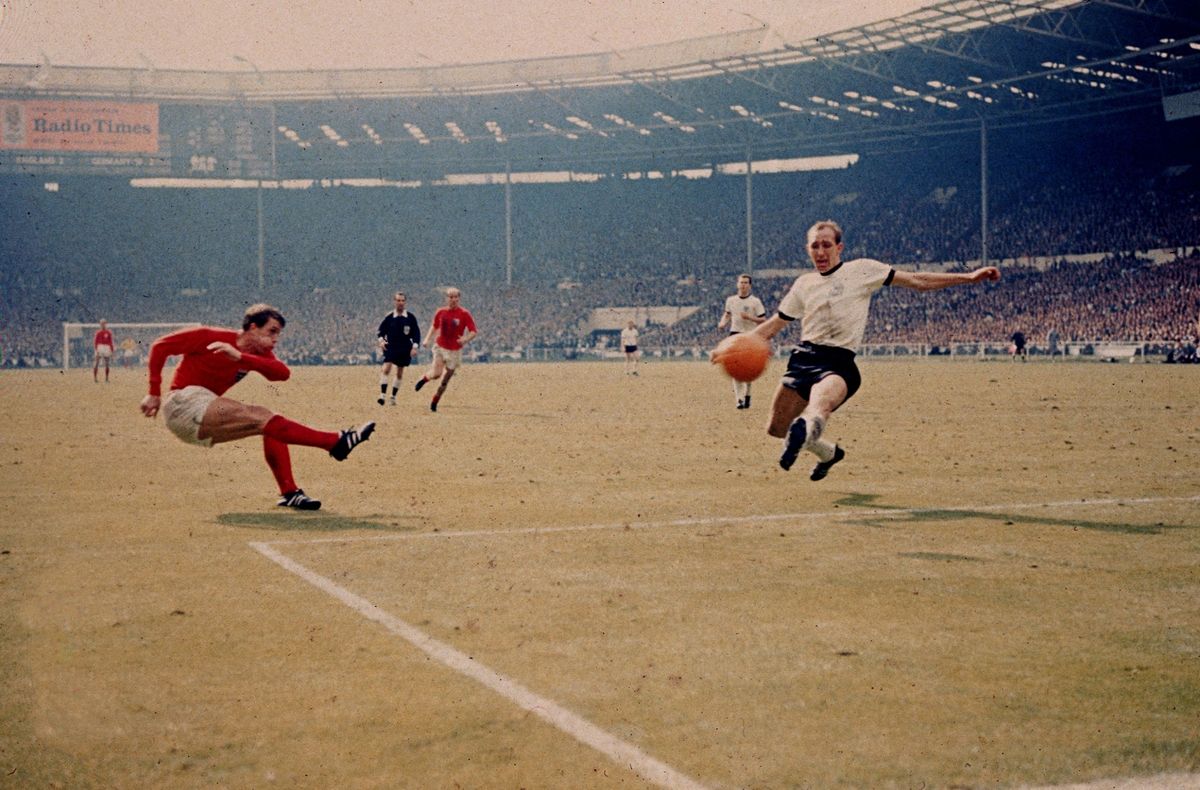
Captain Bobby Moore, hat-trick scorer Sir Geoff Hurst and their team-mates received a winning bonus of around £1,000… before tax. Gianni Infantino is currently trying to sell off the World Cup for TEN BILLION dollars.
The finances of the 1966 tournament and the 2026 tournament were, quite literally, worlds apart.
Football’s finances are unrecognisable from what they were six decades ago. It is why Moore was on £100 a week at West Ham. It is why so many of that wonderful squad of players had to pursue other careers after they finished playing.
I grew up watching Roger Hunt’s lorries heading out on jobs. Hunt was an all-time Liverpool great… and a haulage contractor.
In terms of material reward, there is no comparison between then and now. But the game was the same - probably with a bit less cheating.
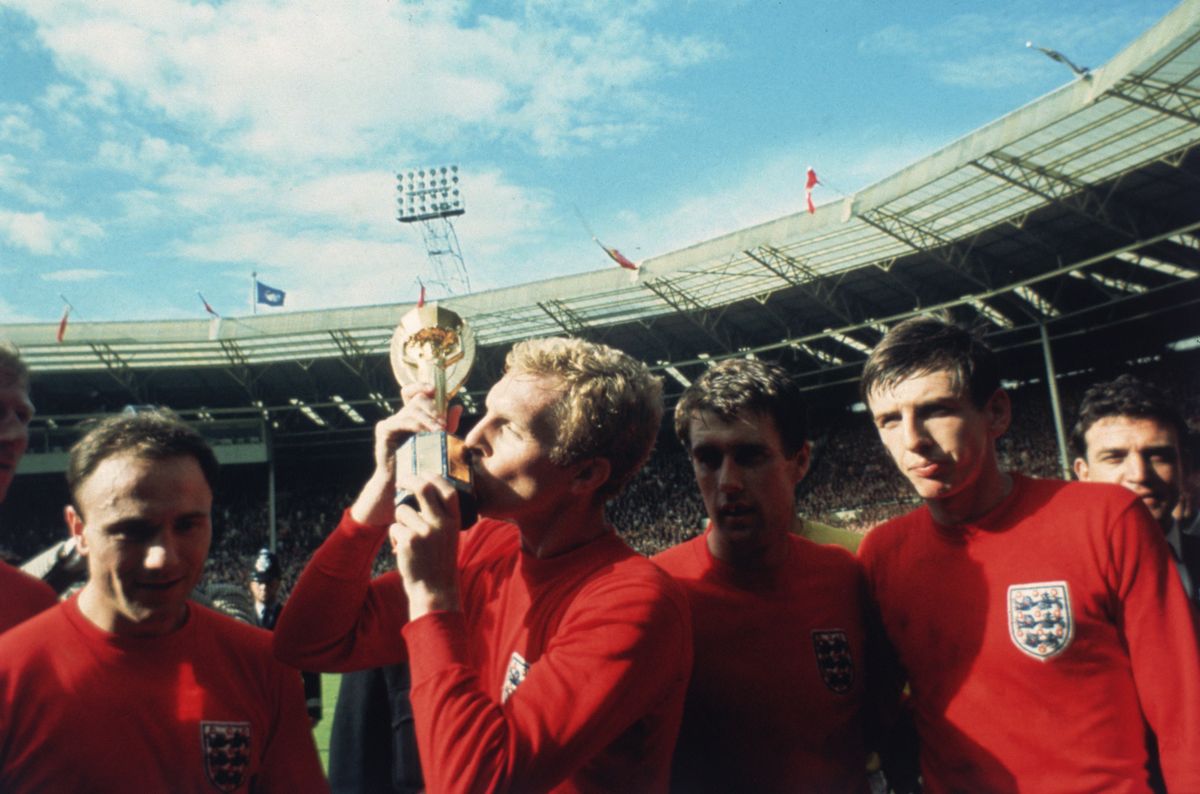
And while it is easy to look back and believe there was a bit more class in the game, have a look back at the celebrations at Wembley on July 30, 1966.
Joyous, yes. Dignified, of course. But that was an era when sportsmen and women were not deified for singular achievements. They were not even deified for stellar careers.
The heroes of ’66 were quite happy with that. I am sure Sir Geoff Hurst, Ian Callaghan and Terry Paine - the three members of the squad who are blessedly still with us - are quite happy with that.
Today is a day to celebrate the boys of ’66 for their brilliance, their achievement… and their humility.