
'/%3e%3cdefs%3e%3clinearGradient%20id='prefix__paint0_linear_4737_37157'%20x1='3.018'%20y1='23.6'%20x2='44.925'%20y2='24.977'%20gradientUnits='userSpaceOnUse'%3e%3cstop%20stop-color='%231CB7FF'/%3e%3cstop%20offset='.502'%20stop-color='%232FF58B'/%3e%3c/linearGradient%3e%3c/defs%3e%3c/svg%3e)


I played at Arsenal's old and new stadiums – it's clear which the players prefer
Aug 19 2026 06:49 · By www.football.london · 50 Reads


This ex-Arsenal star played at both Highbury and the Emirates Stadium but has a clear verdict regarding which ground players prefer
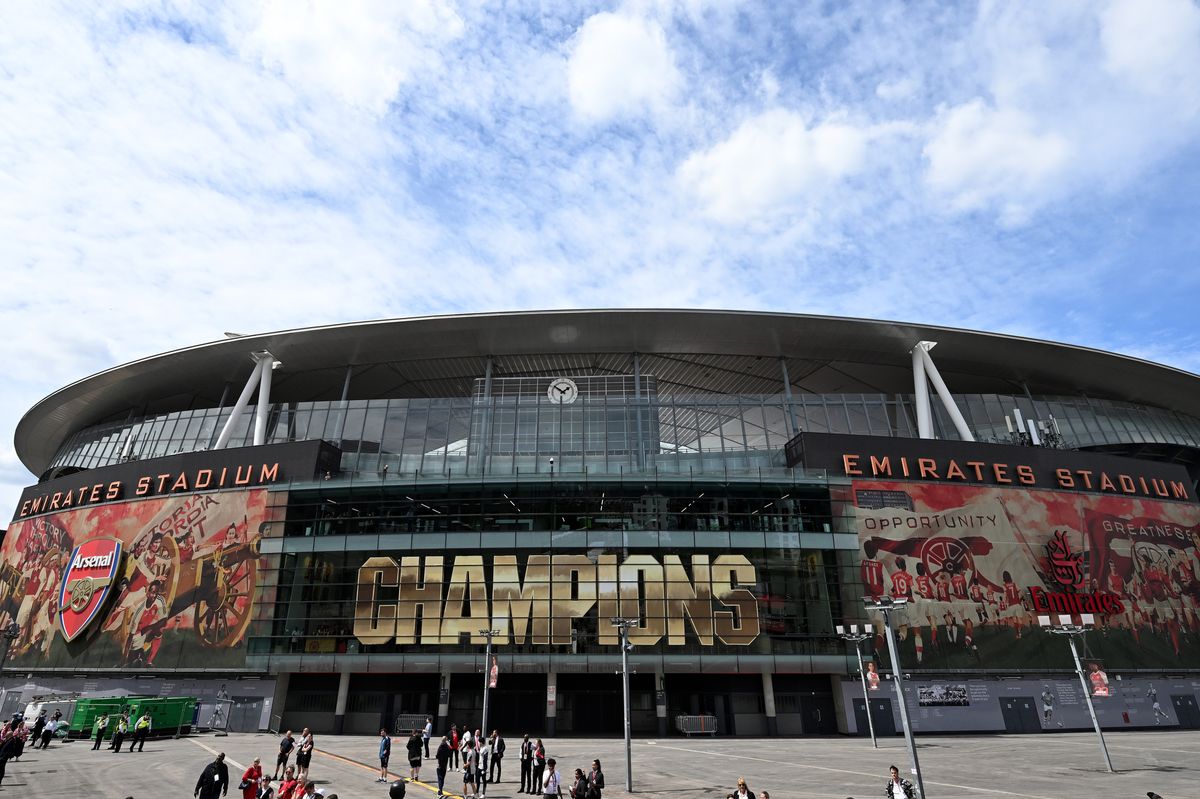
Mathieu Flamini claims any player would prefer Arsenal's Emirates Stadium to their former ground Highbury because of its increased capacity. The French midfielder graced both venues but says footballers favour playing in front of bigger crowds.
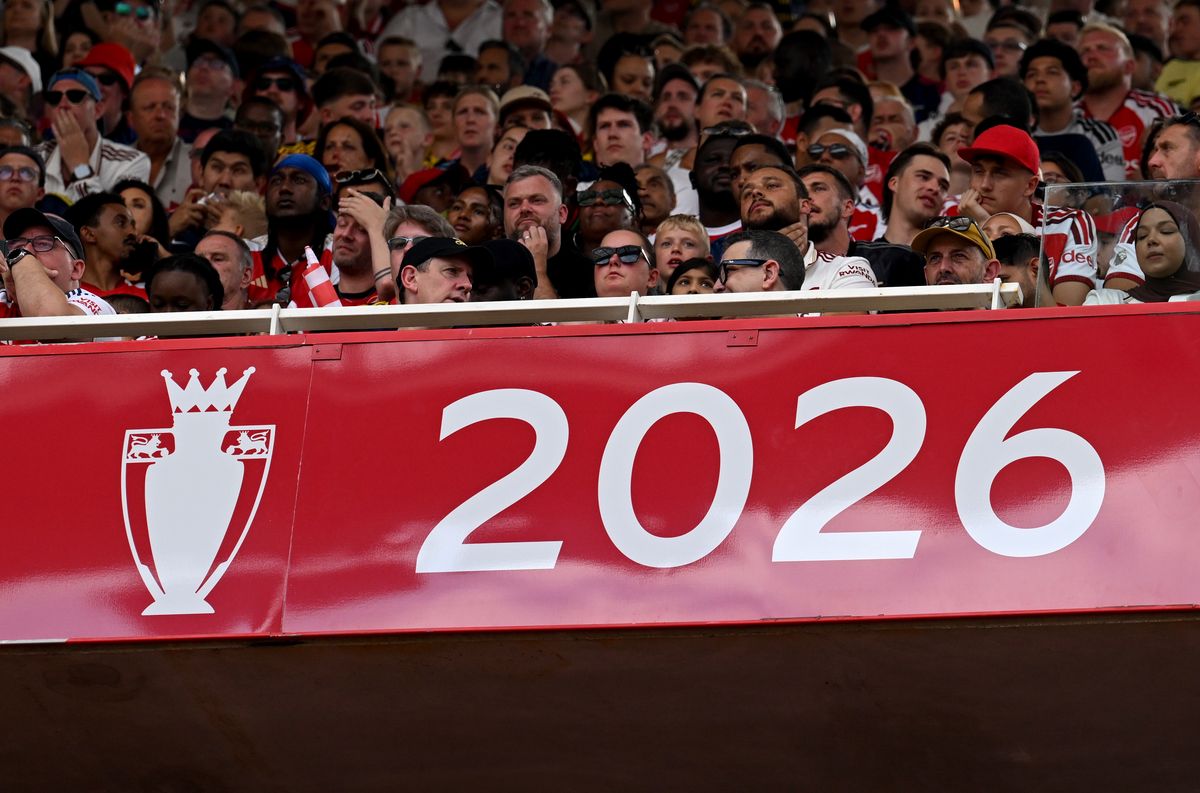
The new Premier League season is on the horizon and the Gunners will head into it as reigning champions. Mikel Arteta's side finally scratched their league title itch last term, pipping Manchester City to a first crown in 22 years.
Arsenal's previous league triumph came in 2004, whilst Highbury was still their home. In 2006, they waved goodbye to their ground of 93 years and moved 500 yards away to the Emirates.
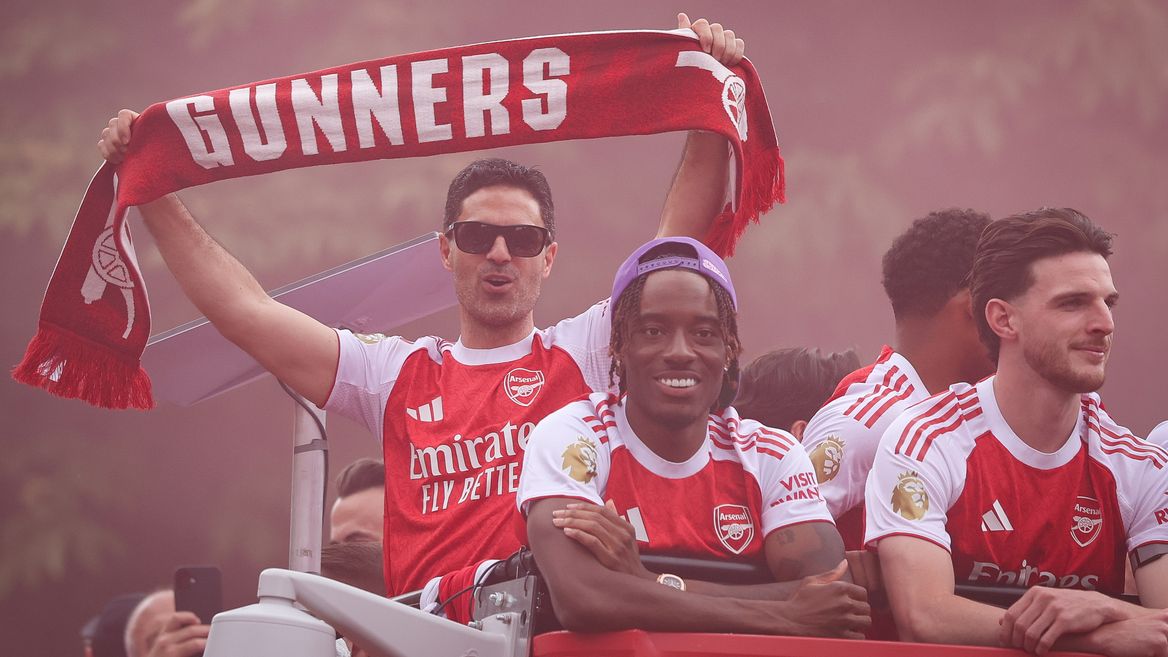
Flamini, who enjoyed stints as a Gunner from 2004 to 2008 and later from 2013 until 2016, admits that although the atmosphere changed for those in the stands, players on the pitch enjoy the grander stage.
Speaking to The Times, Flamini said: "At Highbury the fans were so close to the pitch they could touch the players." However, for a club competing at the highest level, a total capacity of 38,419 simply didn't cut it.
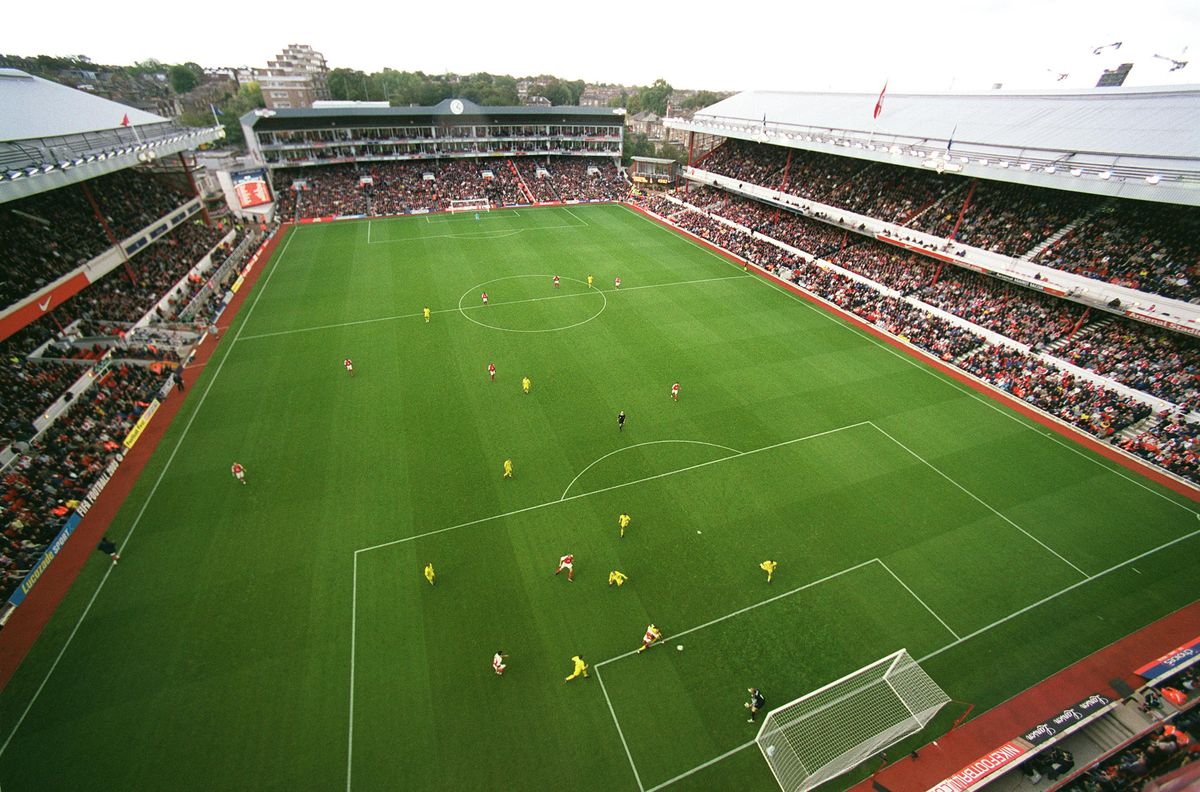
Once Highbury was converted into an all-seater venue, it was unable to match the revenue generated by rivals like Manchester United. It couldn't be expanded because the East Stand was a Grade II listed building, so the decision was made in 1999 to construct a new state-of-the-art stadium.
Arsenal's owners at the time were Arsenal Holdings plc, an unlisted public limited company controlled by a syndicate of shareholders. Primary members included diamond dealer Danny Fiszman, Lady Nina Bracewell-Smith and ex-vice-chairman David Dein, among others.
Having briefly considered buying Wembley, the Gunners announced plans to build on Ashburton Grove, an industrial and waste-disposal estate. The total cost reached roughly £390million, with bank loans, sponsorship from Emirates and the conversion of their old ground into a luxurious development dubbed Highbury Square all funding the project.
After years of planning, construction began in 2004, the same year Arsenal won their third title of the Premier League era as Invincibles. Two years later, the Emirates Stadium was finished.
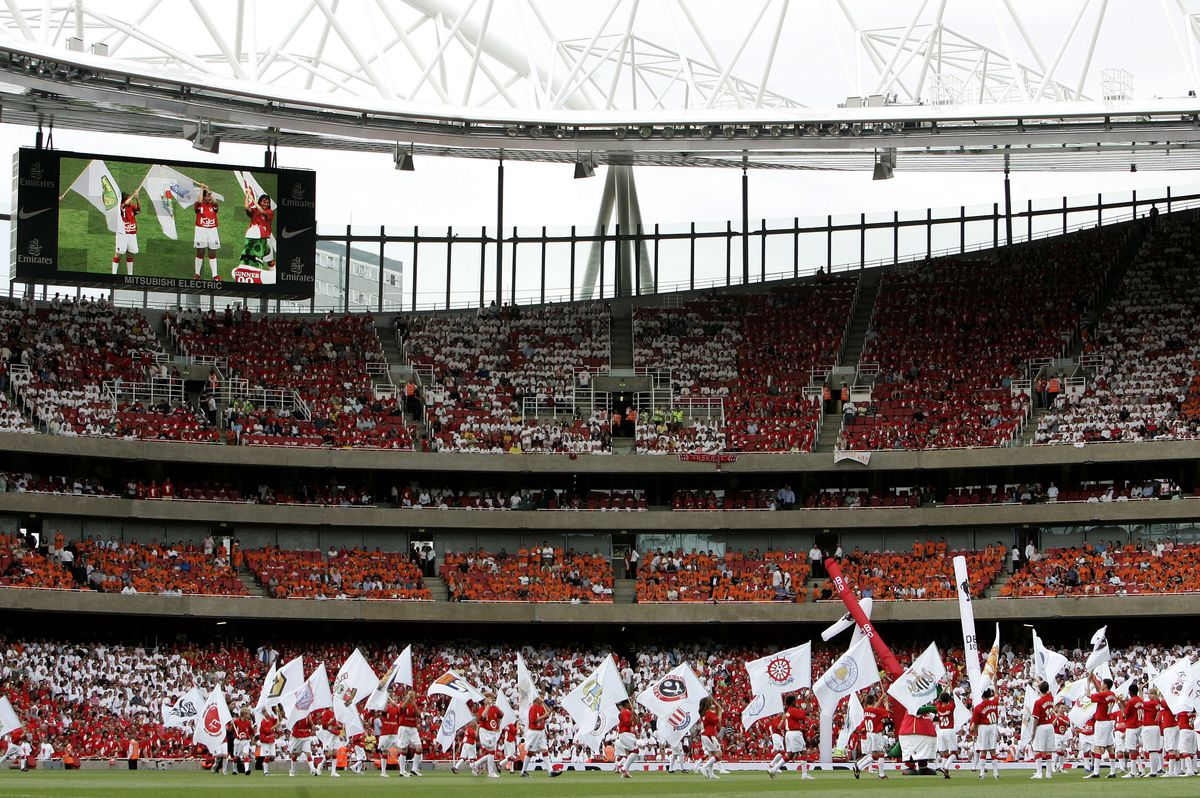
May 2006 marked the final game at Highbury before it was converted into housing and Dennis Bergkamp's testimonial provided the perfect unofficial grand opening of the Gunners' new home.
"Luxurious," was how French star Flamini described the new ground, as he made an admission about which he preferred to play in. He added: "The atmosphere was automatically going to be different. But as a player, if you asked me to play in front of 30,000 or 60,000, any player would tell you they want 100,000. It's just the adrenaline."
The move immediately boosted Arsenal's matchday revenue, which jumped from around 30 per cent of total club income to nearly 50 per cent. In 2007, the club began changing hands as American sports businessman Stan Kroenke and Russian billionaire Alisher Usmanov started buying out the board members' shares.
Kroenke, through his Kroenke Sports and Entertainment (KSE), would go on to acquire Usmanov's remaining stake in 2018, taking full ownership. However, before this point, the stadium move's immediate aftermath was difficult. Paying off the massive debt heavily restricted former manager Arsene Wenger's transfer budget for nearly a decade.
He was ousted eight years ago and replaced by Unai Emery, who lasted just over a year before Arteta's arrival. Yet now, the ground that Flamini favours is once more the home of the Premier League champions, and it will host the opening game of the new season when newly promoted Coventry City visit on Friday evening.